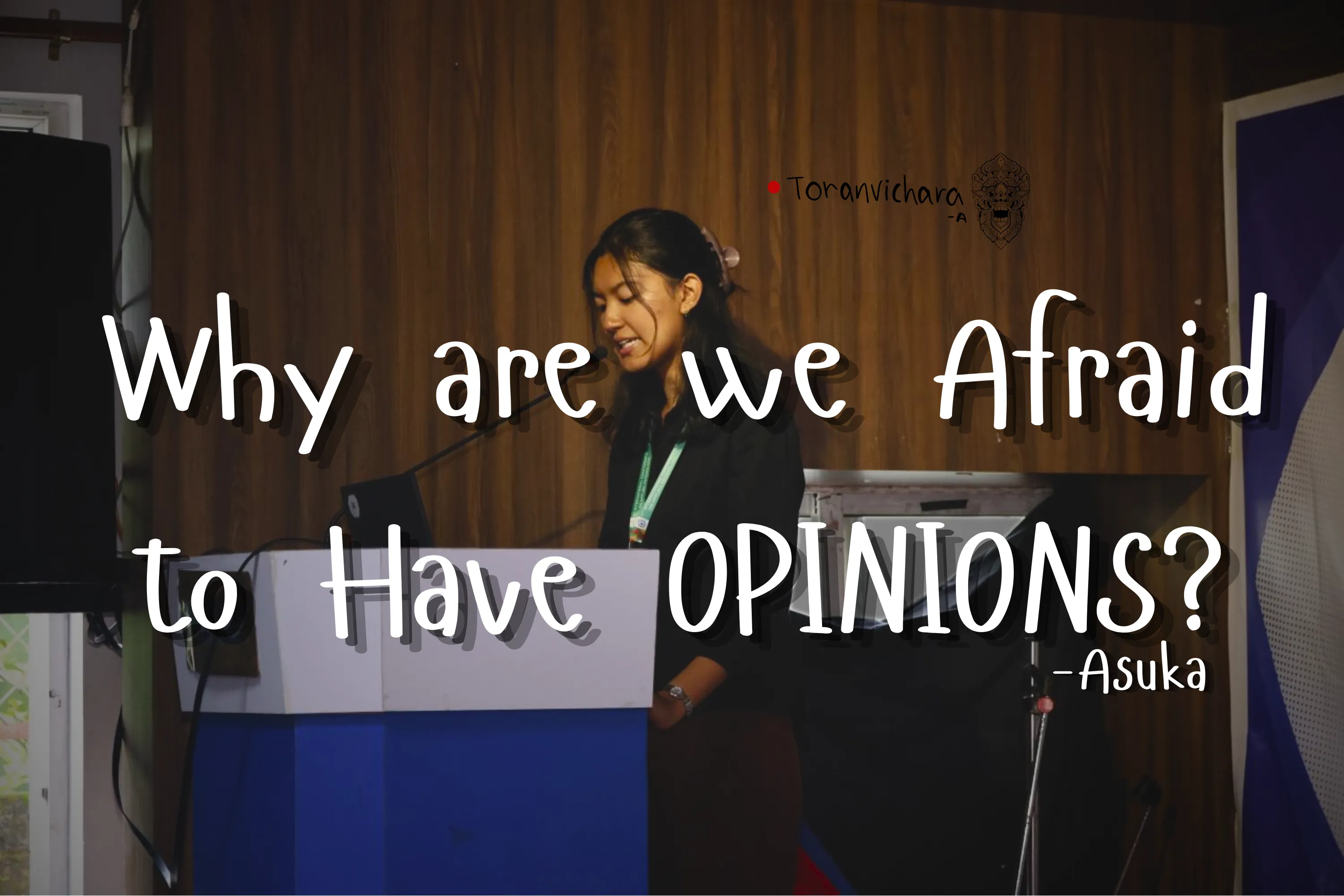
When my teacher assigned an opinion piece, I immediately felt discouraged. Not because I had to do an assignment but because I had to. And as someone who has always had trouble with decision-making, forming opinions and voicing them, this was a nightmare.
At first, this embarrassed me. How could someone reach their teenage years and struggle to answer a simple question like, "What do you think?" Whenever people discussed politics, social issues, trends, or even movies, I often found myself staying quiet. It wasn't that I had nothing to say. It was that I was never completely sure if I was right. What if someone disagreed? What if my opinion sounded stupid? What if I changed my mind later?

In some cases I feel as though I am not well researched or knowledgeable enough to be having an opinion like, Am I a communist? Am I a liberalist? I cannot say because I think I do not understand these terms well enough to choose what I am or what I'd prefer. We hesitate to share opinions because of the pressure to be completely informed. How can I defend my views if I do not know everything about it? The internet gives us access to endless information, which can be useful, but it can also be intimidating. This creates a strange situation where people become afraid to participate unless they feel like experts.
On the other hand, we live in a time when every thought can be questioned, criticized, screenshotted, or shared. Social media has made it easier than ever to voice our opinions, but it has also made us more aware of the consequences of doing so. I am not brave enough to voice my opinions not only by the fear of being judged but of being harmed because of it.
I remember being in class during a discussion when the teacher asked for our thoughts on a particular issue. Several students immediately raised their hands. I knew I had an idea, but instead of sharing it, I spent the next few minutes analyzing it in my head. Was it logical? Would people agree with it? Could I defend it if someone challenged me? By the time I had finished thinking, the discussion had moved on. That moment was small, but it reflected a larger pattern in my life. I often treat opinions as if they are final exams that must be perfect before being shared. However, opinions are not supposed to be perfect. They are supposed to be part of a conversation.

My experience is not unique. In fact, psychology offers an interesting explanation for this fear. Human beings naturally seek social acceptance. For thousands of years, belonging to a group increased our chances of survival. As a result, our brains became highly sensitive to rejection. Even today, being criticized or excluded can feel surprisingly painful. In many cases, the fear of expressing an opinion is not really about the opinion itself. It is about the possibility of social disapproval.
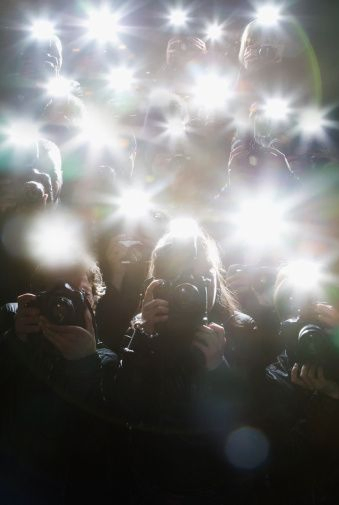
Researchers have also identified something called the "spotlight effect." This is the tendency to believe that other people are paying much more attention to us than they actually are. We assume everyone notices our mistakes, awkward moments, and unpopular opinions. But, in reality, most people are focused on their own lives and worries. Understanding this concept helped me realize that many of the judgments I fear exist mostly in my imagination. I have come to realize that having an opinion does not mean it has to always be right or consistent. It just means engaging with ideas, asking questions, and being willing to learn.
Opinions are not permanent, and being willing to express them is part of personal growth. This idea is reflected in a statement by Madeline Papcun from The Daily Campus:
"If people are capable of growth and change, their opinions are bound to change as well. There's no way to have an open conversation when we're too afraid to speak."
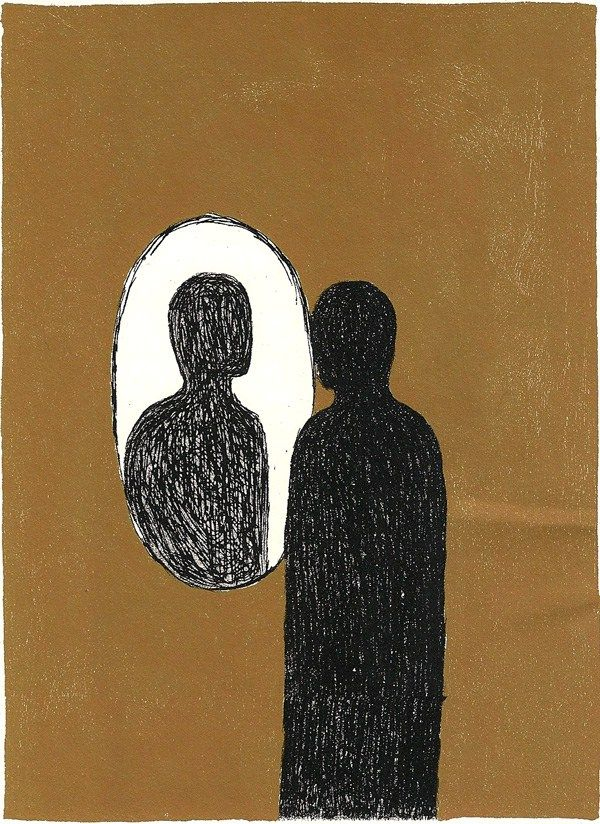
Looking back, I do not think my fear of having opinions came from a lack of intelligence or curiosity. It came from a desire to avoid being wrong. Yet being wrong is not a failure; it is part of learning. Every strong opinion starts as a tentative one and every confident speaker was once someone who hesitated. Today, I still overthink before sharing my thoughts and worry about judgment sometimes. But, I am beginning to understand that silence has its own cost. When we constantly hide our opinions, we miss opportunities to connect with others, challenge our assumptions, and discover who we are. Perhaps the real question is not why we are afraid to have opinions. Perhaps the question is why we expect ourselves to have perfect ones. Once we let go of that expectation, speaking up becomes a little less frightening and a lot more meaningful.